February 3, 2026
Bathrooms are among the most moisture‑prone areas in any home. Without proper protection, everyday water exposure from showers, sinks, or toilets can cause serious problems, including seepage, mold growth, wall damage, peeling paint, and structural weakness. In a city like Lahore, Pakistan, where seasonal rains and humidity are common, bathroom waterproofing is not just a luxury—it’s a necessity to safeguard your investment and ensure a healthy living environment.
Why Bathroom Waterproofing Is Essential
Bathrooms are one of the most water-prone areas in any home. Constant exposure to water from showers, sinks, and toilets can cause seepage, mold growth, wall damage, peeling paint, and even structural issues. In Lahore, Pakistan, where humidity and seasonal rains are common, bathroom waterproofing is not just recommended—it’s essential to protect your home and maintain a healthy living environment.
Whether you are constructing a new bathroom or renovating an old one, proper waterproofing ensures durability and prevents costly repairs in the future.
What Is Bathroom Waterproofing?
Bathroom waterproofing involves applying special materials and barriers to prevent water from penetrating floors, walls, and ceilings. The goal is to stop water from damaging your home’s structural elements while protecting finishes like tiles, paint, and plaster.
Key benefits include:
- Preventing leaks to lower floors or adjacent rooms.
- Avoiding mold, mildew, and damp patches.
- Protecting walls, tiles, and structural components from water damage.
Types of Bathroom Waterproofing
Several methods are commonly used for bathroom waterproofing:
1. Cementitious Waterproofing
This is a popular method for walls and floors. Cement-based waterproof coatings are easy to apply and form a strong barrier against water.
2. Liquid Applied Membranes
Flexible, seamless coatings that create a waterproof layer over the surface. These are ideal for bathrooms with complex shapes.
3. Bituminous Coatings
These are heavy-duty waterproofing solutions, mainly used in areas with high water exposure.
4. Polyurethane Coatings
Highly elastic and durable, these coatings are perfect for long-lasting waterproofing in bathrooms.
Step-by-Step Bathroom Waterproofing Process
Proper application is key to effective waterproofing. Here’s a simplified process:
- Surface Cleaning: Remove dust, dirt, and loose particles.
- Primer Application: Helps the waterproofing layer adhere better.
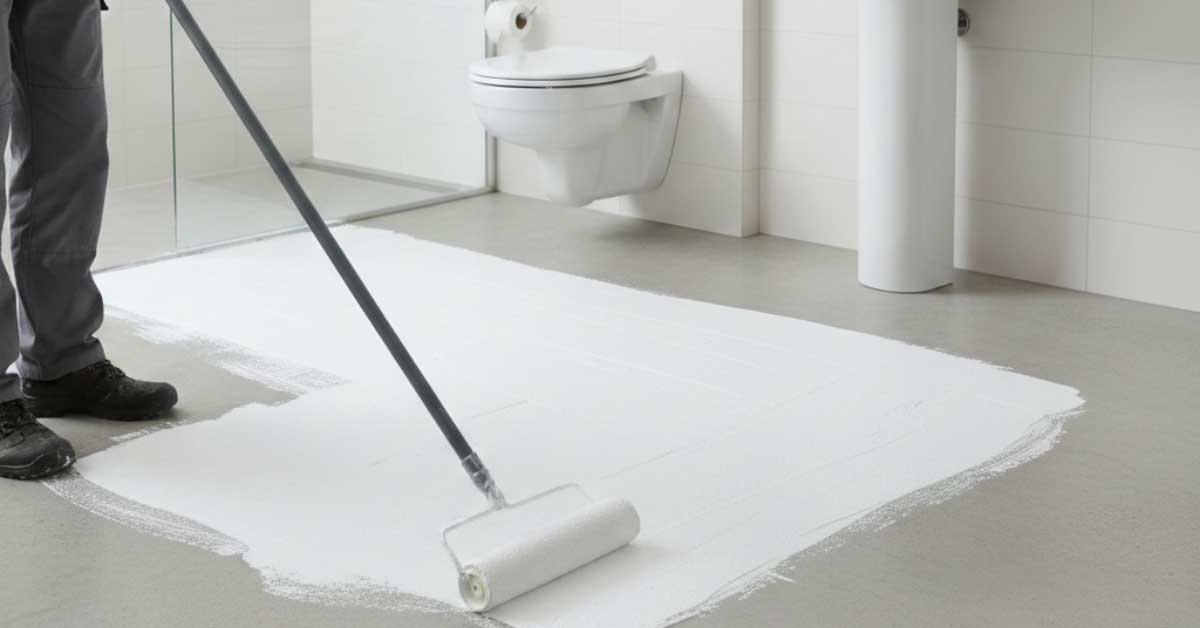
- Waterproof Coating: Apply cementitious or liquid membrane evenly over floors and walls.
- Seal Joints: Corners, pipe penetrations, and edges must be sealed properly.
- Curing Time: Allow the waterproof layer to dry completely.
- Tiling & Finishing: Once dried, tiles can be installed over the waterproof layer for a polished finish.
Common Bathroom Waterproofing Mistakes
- Skipping the primer layer, which reduces adhesion.
- Poor surface preparation, leading to cracks or weak bonding.
- Ignoring corners and joints, which are prone to leaks.
- Using low-quality waterproofing materials.
Avoiding these mistakes ensures a longer-lasting, effective waterproofing solution.
Benefits of Bathroom Waterproofing
- Prevents Water Damage: Protects walls, floors, and ceilings from seepage.
- Stops Mold & Mildew: Maintains healthy indoor air quality.
- Extends Lifespan of Bathroom Fixtures: Keeps tiles, grout, and plaster in good condition.
- Saves Money in the Long Run: Reduces the need for frequent repairs.
Why Bathroom Waterproofing in Lahore Is Important
Lahore’s weather conditions, including heavy monsoon rains and humidity, make bathroom waterproofing particularly critical. Proper waterproofing ensures your home remains dry, safe, and durable regardless of climate conditions.
FAQS:
1. Which waterproofing is best for bathrooms?
Chem Seal 107 is best for bathrooms as they form a strong, seamless barrier. Polyurethane coatings are ideal for high water exposure areas.
2. How do you waterproof the bathroom?
Clean the surface, apply primer, then coat walls and floors with waterproofing chemicals, sealing all joints and corners.
3. How to apply waterproofing chemicals in the bathroom?
Mix the chemical as instructed, apply two coats on walls and floors, and ensure corners and pipe entries are fully treated.
4. How to stop leakage of bathroom?
Identify leaks, clean and dry the area, then apply waterproofing chemicals to joints, cracks, and corners.
5. What is the cheapest way to waterproof a bathroom?
Use cementitious waterproofing with proper surface preparation and two coats on floors and walls.
6. How to protect a bathroom floor from urine?
Apply a waterproof membrane or coating on the floor and seal all edges to prevent liquid penetration.
- bathroom waterproofing chemical
- Bathroom waterproofing kit
- bathroom waterproofing material
- Bathroom waterproofing membrane
- Bathroom waterproofing near me
- Bathroom waterproofing pakistan
- Bathroom waterproofing price
- Bathroom waterproofing service in lahore
- Bathroom waterproofing service price
- Bathroom waterproofing service price in pakistan
- bathroom waterproofing services
- How do you waterproof the bathroom?
- How to stop leakage of bathroom?
- Which waterproofing is best for bathrooms?