February 14, 2026
Basements are among the most moisture-vulnerable areas in any home. Without proper protection, groundwater pressure, rainwater seepage, plumbing leaks, and humidity can lead to serious problems such as wall cracks, mold growth, damp patches, peeling paint, musty odors, and even structural damage. In a city like Lahore, where heavy monsoon rains and seasonal humidity are common, basement waterproofing is not just a precaution—it’s a necessity to protect your property and maintain a safe, healthy living environment.
Whether you are constructing a new basement or facing leakage issues in an existing one, professional basement waterproofing ensures long-term durability and prevents costly repairs.
Why Basement Waterproofing Is Essential
Basements are below ground level, making them highly exposed to soil moisture and hydrostatic water pressure. Without proper sealing and drainage, water can seep through foundations, floors, and walls.
Basement waterproofing helps:
- Prevent water seepage and flooding
- Stop mold and mildew growth
- Protect structural integrity
- Eliminate damp smells and humidity
- Increase property value
In areas with heavy rainfall like Lahore, waterproofing your basement is critical to avoid long-term damage.
What Is Basement Waterproofing?
Basement waterproofing involves applying specialized materials and systems to prevent water intrusion through walls, floors, and foundation joints. It creates a protective barrier that keeps groundwater and moisture out while preserving the structure of the building.
It may include internal and external waterproofing methods depending on the severity of the issue.
Types of Basement Waterproofing
1. Cementitious Waterproofing
A cost-effective and widely used method. Cement-based coatings are applied to basement walls and floors to create a strong water-resistant barrier.
2. Liquid Applied Membranes
Flexible waterproof coatings that form a seamless protective layer over surfaces. Ideal for preventing minor cracks and seepage.
3. Bituminous Coatings
Heavy-duty waterproofing solutions suitable for foundations and exterior basement walls exposed to high water pressure.
4. Polyurethane Waterproofing
Highly elastic and durable coatings that seal cracks and withstand water pressure effectively.
5. Drainage & Sump Pump Systems
For basements prone to flooding, drainage systems and sump pumps help redirect and remove accumulated water.
Step-by-Step Basement Waterproofing Process
Proper application ensures long-lasting protection:
1. Inspection & Damage Assessment
Identify cracks, damp areas, and leakage points.
2. Surface Preparation
Clean walls and floors by removing dust, loose particles, and old coatings.
3. Crack & Joint Sealing
Repair visible cracks and seal construction joints carefully.
4. Primer Application
Apply primer to improve bonding of waterproof coating.
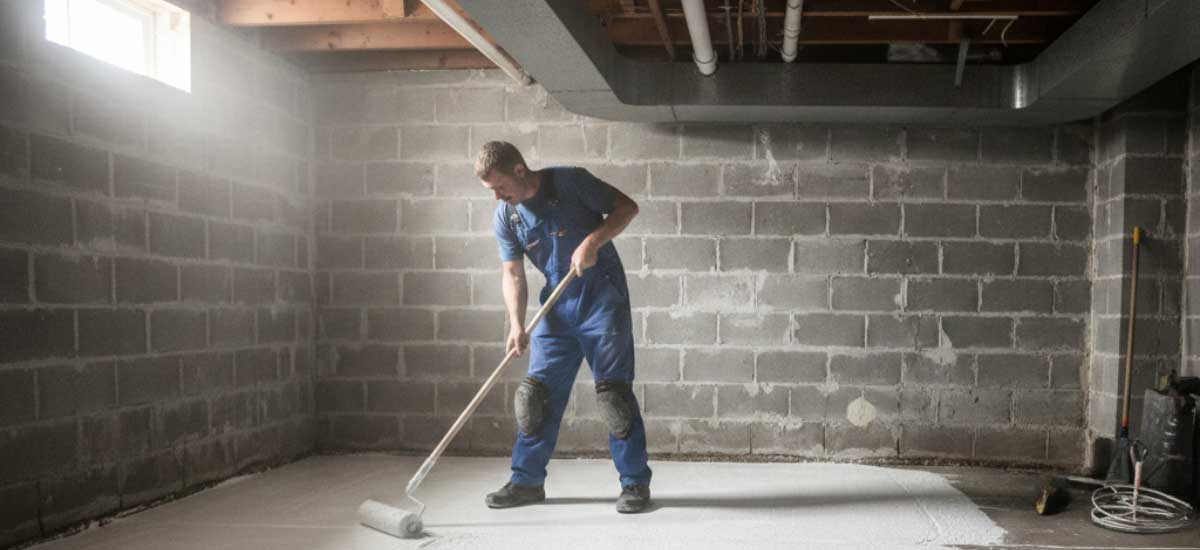
5. Waterproof Coating Application
Apply two or more coats of cementitious, polyurethane, or liquid membrane waterproofing.
6. Curing & Protection Layer
Allow proper drying time before applying plaster, paint, or flooring.
Common Basement Waterproofing Mistakes
- Ignoring small wall cracks
- Skipping surface preparation
- Not sealing joints and pipe entries properly
- Using low-quality waterproofing materials
- Failing to address external drainage issues
Avoiding these mistakes ensures long-term protection.
Benefits of Basement Waterproofing
- Prevents Water Damage: Protects foundation walls and floors
- Stops Mold & Mildew: Improves indoor air quality
- Enhances Structural Strength: Prevents foundation weakening
- Increases Property Value
- Saves Money: Reduces costly structural repairs
Why Basement Waterproofing in Lahore Is Important
Due to Lahore’s monsoon rains and rising groundwater levels, basements are highly prone to seepage and dampness. Professional waterproofing ensures your basement remains dry, secure, and usable throughout the year.
FAQs
1. Which waterproofing is best for basements?
Polyurethane coatings and liquid-applied membranes are highly effective for basement waterproofing. For high water pressure areas, bituminous coatings are recommended.
2. How do you waterproof a basement?
Clean and prepare the surface, repair cracks, apply primer, then coat walls and floors with waterproofing material, ensuring all joints are sealed properly.
3. How long does basement waterproofing last?
With quality materials and professional application, waterproofing can last 10–20 years or more.
4. What is the cheapest way to waterproof a basement?
Cementitious waterproofing is the most cost-effective solution for minor seepage issues.
5. Can basement waterproofing stop mold?
Yes. By eliminating moisture intrusion, waterproofing prevents mold and mildew growth.
6. Do I need external waterproofing for my basement?
If your basement faces heavy groundwater pressure or severe leakage, external waterproofing combined with drainage systems is recommended.
- Anti-leakage treatment
- Basement crack repair
- Basement damp proofing
- Basement leak repair Lahore
- Basement seepage solution
- Basement waterproofing service in Faisalabad
- Basement waterproofing service in Gujranwala
- Basement waterproofing service in Islamabad
- Basement waterproofing service in Karachi
- Basement waterproofing service in Lahore
- Basement waterproofing service in Multan
- Basement waterproofing service in Peshawar
- Basement waterproofing service in Quetta
- Basement waterproofing service in Rawalpindi
- Concrete waterproof coating
- Damp proofing basement
- Foundation leak repair
- Foundation waterproofing Lahore
- Monsoon waterproofing solutions
- Residential waterproofing services
- Waterproofing company in Lahore
- Waterproofing contractor Lahore
- waterproofing services in lahore