February 20, 2026
Professional Waterproofing
Water is one of the most powerful natural elements on earth. While essential for life, uncontrolled water intrusion can be devastating to buildings, infrastructure, and property investments. From basement flooding and foundation cracks to roof leaks and structural deterioration, water damage can compromise safety, reduce property value, and create costly repair burdens.
Professional waterproofing is the science and art of preventing water from penetrating structures. It involves specialized materials, advanced techniques, and a deep understanding of construction systems. Solid Sealers provides comprehensive waterproofing services designed to protect residential, commercial, and industrial properties from moisture-related damage.
This article explores waterproofing in depth—its importance, methods, applications, technologies, and long-term benefits—while outlining how Solid Sealers delivers durable, reliable solutions.
Why Waterproofing Is Essential
1. Structural Integrity Protection
Water intrusion weakens concrete, corrodes steel reinforcement, and deteriorates wooden frameworks. Over time, moisture can cause cracks, spalling, rusting, and even foundation settlement. Proper waterproofing creates a protective barrier that prevents these issues from developing.
2. Mold and Mildew Prevention
Moist environments are breeding grounds for mold and mildew. These fungi not only damage surfaces but can also trigger respiratory issues and allergies. Waterproofing eliminates moisture sources, significantly reducing health risks.
3. Increased Property Value
A well-protected property commands higher market value. Buyers and investors prioritize buildings free from water damage history. Professional waterproofing enhances credibility and long-term investment security.
4. Reduced Maintenance Costs
Preventative waterproofing saves thousands in future repair expenses. Addressing water intrusion after damage occurs often requires extensive structural restoration. Preventative systems are far more cost-effective.
5. Energy Efficiency
Moisture compromises insulation performance. Waterproofing keeps insulation dry, helping regulate indoor temperatures and improving energy efficiency.
Common Water Damage Problems
Understanding common water-related issues helps property owners appreciate the value of professional waterproofing services.
Basement Flooding
Basements are particularly vulnerable due to hydrostatic pressure exerted by groundwater against foundation walls. Cracks or porous concrete allow water infiltration.
Foundation Cracks
Foundation cracks often develop due to soil movement, settlement, or pressure buildup. Even small fissures can allow significant moisture penetration.
Roof Leaks
Damaged membranes, flashing failures, or clogged drainage systems allow water to seep into roofing systems.
Exterior Wall Penetration
Brick, stucco, and concrete walls may absorb moisture if not properly sealed, leading to interior dampness.
Balcony and Deck Leakage
Improper waterproofing beneath tile or decking can cause water to leak into underlying living spaces.
Crawl Space Moisture
Crawl spaces trap humidity, leading to mold growth, wood rot, and pest infestations.
Types of Waterproofing Systems
Solid Sealers offers a range of waterproofing systems tailored to specific structural needs.
1. Cementitious Waterproofing
Cement-based coatings are easy to apply and ideal for internal wet areas such as bathrooms, water tanks, and basements. They bond directly to concrete surfaces, creating a protective barrier.
Advantages:
- Cost-effective
- Durable
- Suitable for internal structures
2. Liquid Waterproofing Membrane
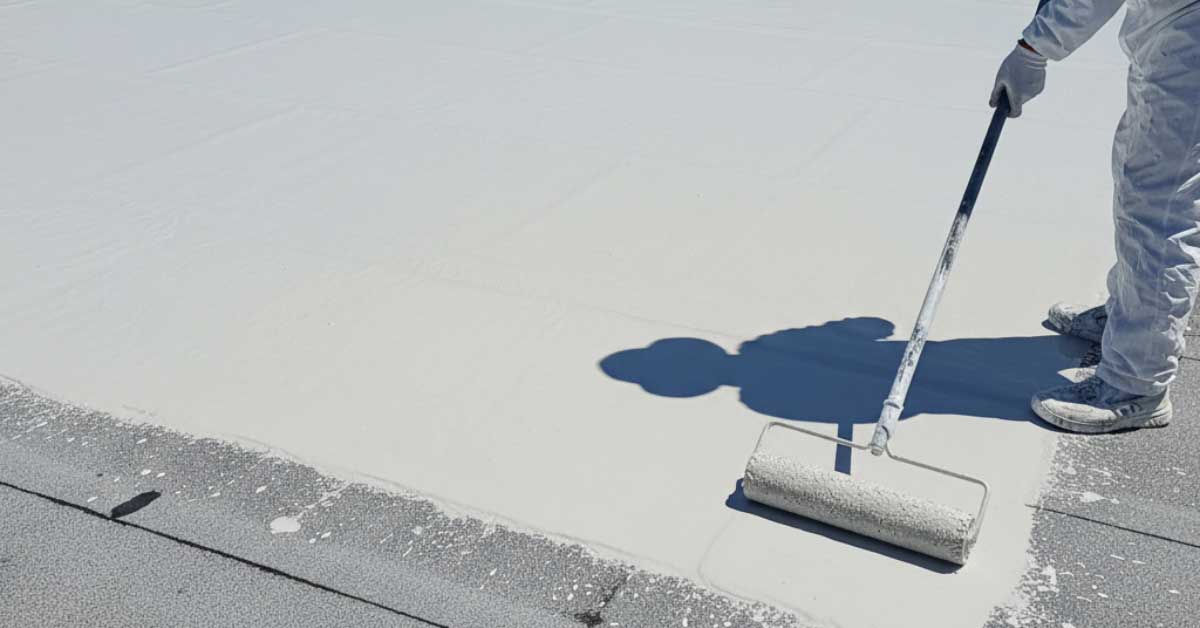
Liquid membranes are applied as coatings that cure into seamless, rubber-like barriers. These are highly flexible and ideal for roofs and balconies.
Advantages:
- Seamless application
- Excellent crack-bridging ability
- UV-resistant options available
3. Bituminous Coating
Bitumen-based materials provide protective coatings for foundations and underground structures. They resist water penetration effectively.
Advantages:
- Strong adhesion
- Excellent moisture resistance
- Suitable for below-grade applications
4. Bituminous Membrane
Roll sheets composed of bitumen are applied using torch-on or self-adhesive methods. Commonly used for flat roofs.
5. Polyurethane Waterproofing
Polyurethane membranes offer superior flexibility and are ideal for exposed surfaces requiring high elasticity.
6. Crystalline Waterproofing
Crystalline compounds penetrate concrete and react with moisture to form insoluble crystals, blocking water pathways internally.
Benefits:
- Self-healing minor cracks
- Deep penetration
- Long-term protection
Residential Waterproofing Services
Basement Waterproofing
Basements are particularly susceptible to groundwater infiltration. Solid Sealers provides:
- Interior drainage systems
- Sump pump installation
- Crack injection repair
- Exterior foundation sealing
- Vapor barriers
Foundation Waterproofing
Foundation waterproofing includes both interior and exterior solutions. Exterior methods involve excavation and membrane application, while interior systems manage drainage and seal cracks.
Roof Waterproofing
Residential roof waterproofing includes:
- Flat roof membrane installation
- Shingle underlayment sealing
- Flashing repair
- Gutter and drainage optimization
Bathroom and Wet Area Waterproofing
Improper waterproofing in bathrooms leads to tile damage and mold growth. Professional membrane installation ensures leak-free performance.
Balcony and Deck Waterproofing
Solid Sealers applies flexible membranes beneath surface materials to prevent leakage into living spaces below.
Commercial Waterproofing Services
Commercial buildings face complex waterproofing challenges due to size, structural design, and heavy usage.
Roof Deck Systems
Large flat roofs require advanced membrane systems capable of withstanding UV exposure and pooling water.
Parking Structures
Concrete parking decks experience heavy loads and environmental exposure. waterproofing services coatings protect against corrosion and deterioration.
Expansion Joint Sealing
Expansion joints allow movement in large buildings but must remain watertight. Specialized sealants ensure flexibility and durability.
Retaining Wall Waterproofing
Retaining walls are exposed to constant soil pressure and moisture. Protective coatings prevent seepage and structural compromise.
Elevator Pit Waterproofing
Elevator pits often accumulate groundwater. Waterproof membranes and drainage systems prevent mechanical damage.
The Waterproofing Process
Professional waterproofing requires careful planning and execution.
Step 1: Inspection and Assessment
Technicians evaluate:
- Source of water intrusion
- Structural integrity
- Soil conditions
- Drainage patterns
- Material compatibility
Step 2: Surface Preparation
Proper preparation ensures adhesion and durability:
- Cleaning debris
- Repairing cracks
- Leveling uneven surfaces
- Removing deteriorated materials
Step 3: System Selection
Based on environmental exposure and structural needs, appropriate materials are chosen.
Step 4: Application
Skilled technicians apply membranes, coatings, or sealants according to manufacturer specifications.
Step 5: Quality Assurance
Final inspections ensure full coverage, sealing accuracy, and performance testing where necessary.
Advanced Waterproofing Technologies
Injection Crack Repair
Epoxy or polyurethane injections seal active leaks and restore structural integrity.
Drainage Board Systems
Drainage boards redirect groundwater away from foundations.
Vapor Barriers
Installed in crawl spaces and basements to prevent moisture vapor migration.
Smart Moisture Monitoring
Modern waterproofing may incorporate moisture detection sensors for early leak identification.
Waterproofing for Different Environments
Coastal Areas
Salt exposure accelerates corrosion. Specialized coatings protect concrete and metal components.
Cold Climates
Freeze-thaw cycles cause expansion and cracking. Flexible membranes prevent damage.
High-Rainfall Regions
Enhanced drainage systems are essential to handle heavy water flow.
Industrial Facilities
Chemical-resistant waterproofing materials protect against harsh industrial exposure.
Signs You Need Waterproofing Services
- Musty odors
- Visible mold growth
- Peeling paint
- Efflorescence (white powder on walls)
- Water stains
- Standing water
- Cracked foundation walls
Early detection prevents escalating damage.
Benefits of Hiring Professional Waterproofing Experts
Technical Expertise
Waterproofing is not a DIY task. Improper installation can worsen damage.
Proper Equipment
Professional-grade tools ensure accurate application.
Long-Term Warranties
Reputable providers offer warranties that protect investments.
Code Compliance
Professionals ensure compliance with building regulations.
Environmental Considerations
Modern waterproofing emphasizes sustainability:
- Low-VOC coatings
- Energy-efficient insulation integration
- Long-lasting materials reducing waste
- Eco-friendly drainage systems
Solid Sealers prioritizes environmentally responsible solutions.
Maintenance After Waterproofing
Waterproofing systems require periodic inspection:
- Check for new cracks
- Ensure drains remain unclogged
- Inspect roof membranes annually
- Test sump pumps regularly
Routine maintenance extends system lifespan.
Waterproofing Materials Explained
Elastomeric Coatings
Stretch and contract with temperature changes.
Acrylic Membranes
UV-resistant and suitable for exposed surfaces.
PVC Membranes
Durable and widely used in commercial roofing.
TPO Systems
Energy-efficient roofing membranes reflecting heat.
Cost Factors in Waterproofing
Several factors influence waterproofing costs:
- Size of area
- Severity of damage
- Type of system
- Accessibility
- Labor requirements
- Environmental conditions
While costs vary, waterproofing remains more affordable than structural repairs caused by water damage.
Choosing the Right Waterproofing Contractor
Key considerations include:
- Experience and certifications
- Portfolio of completed projects
- Customer reviews
- Material quality
- Warranty coverage
- Transparent pricing
Solid Sealers emphasizes professionalism, technical knowledge, and customer satisfaction.
Long-Term Value of Waterproofing
Waterproofing is an investment in:
- Structural longevity
- Indoor air quality
- Property value
- Reduced insurance claims
- Peace of mind
Preventative measures consistently outperform reactive repairs.
Frequently Asked Questions
How long does waterproofing last?
Depending on the system used, waterproofing can last 10–25 years or more with proper maintenance.
Can waterproofing stop existing leaks?
Yes. Targeted repair methods such as crack injection and membrane installation stop active leaks.
Is exterior waterproofing better than interior?
Exterior waterproofing prevents water from entering, while interior systems manage water that has already penetrated. The best solution depends on the property.
Does waterproofing increase resale value?
Yes. Documented waterproofing upgrades enhance buyer confidence.
Future of Waterproofing
Advancements in materials science are leading to:
- Self-healing membranes
- Nanotechnology-based coatings
- Improved crystalline formulations
- Smart drainage systems
- AI-based moisture monitoring
As buildings become more complex, waterproofing continues to evolve.
- balcony waterproofing
- basement waterproofing
- commercial waterproofing
- concrete sealing
- crack injection repair
- crawl space waterproofing
- exterior waterproofing
- foundation waterproofing
- interior waterproofing
- moisture control solutions
- mold prevention services
- residential waterproofing
- roof waterproofing
- Solid Sealers
- structural waterproofing
- waterproofing company
- waterproofing services
- wet area waterproofing